
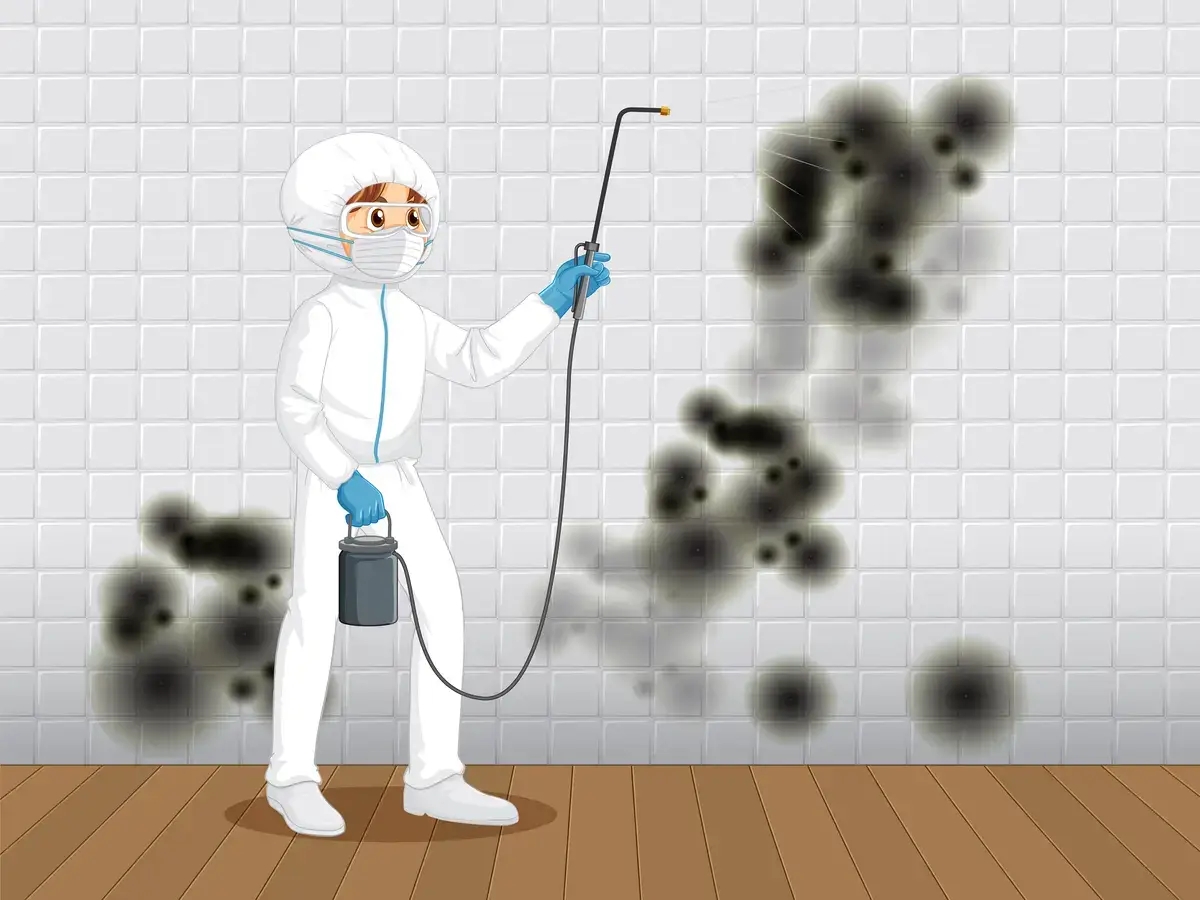
Hidden Signs Of Indoor Air Problems Homeowners Often Miss
Most homes look fine on the surface. Walls are painted. Floors are clean. Windows open and close like they should. But in Lazybrook/Timbergrove, some homeowners begin looking into mold inspection after something feels slightly off inside the house.
Not dramatic. Just off.
Maybe the air feels heavier in one room. Maybe a closet smells different after rain. These things are easy to ignore at first.
Small Moisture Problems Do Not Stay Small
A slow pipe drip under the sink does not seem urgent. A bit of condensation on windows feels normal. But moisture does not disappear just because it looks minor.
It sits. It spreads quietly into drywall, wood, insulation.
Sometimes nothing happens. Sometimes it builds for months before anyone notices. That uncertainty is what makes moisture tricky.
What An Inspection Actually Looks Like
When a property is checked, it is not just someone glancing at walls.
It usually includes:
- Checking humidity levels inside different rooms
- Using meters to detect hidden damp areas
- Looking into attic spaces and corners
- Comparing indoor air samples with outdoor air
That comparison part matters. Because homes naturally have particles in the air. The question is whether levels inside are unusually higher.
And that difference is not something you can guess by smell alone.
Places People Rarely Think About
Bathrooms are obvious. Kitchens too.
But closets along exterior walls sometimes trap airflow. Attics without proper ventilation can hold warm humid air longer than expected. Even areas behind furniture placed against walls may stay damp if circulation is limited.
You would not normally check behind a bookshelf.
Most people do not.
When It Makes Sense To Schedule A Check
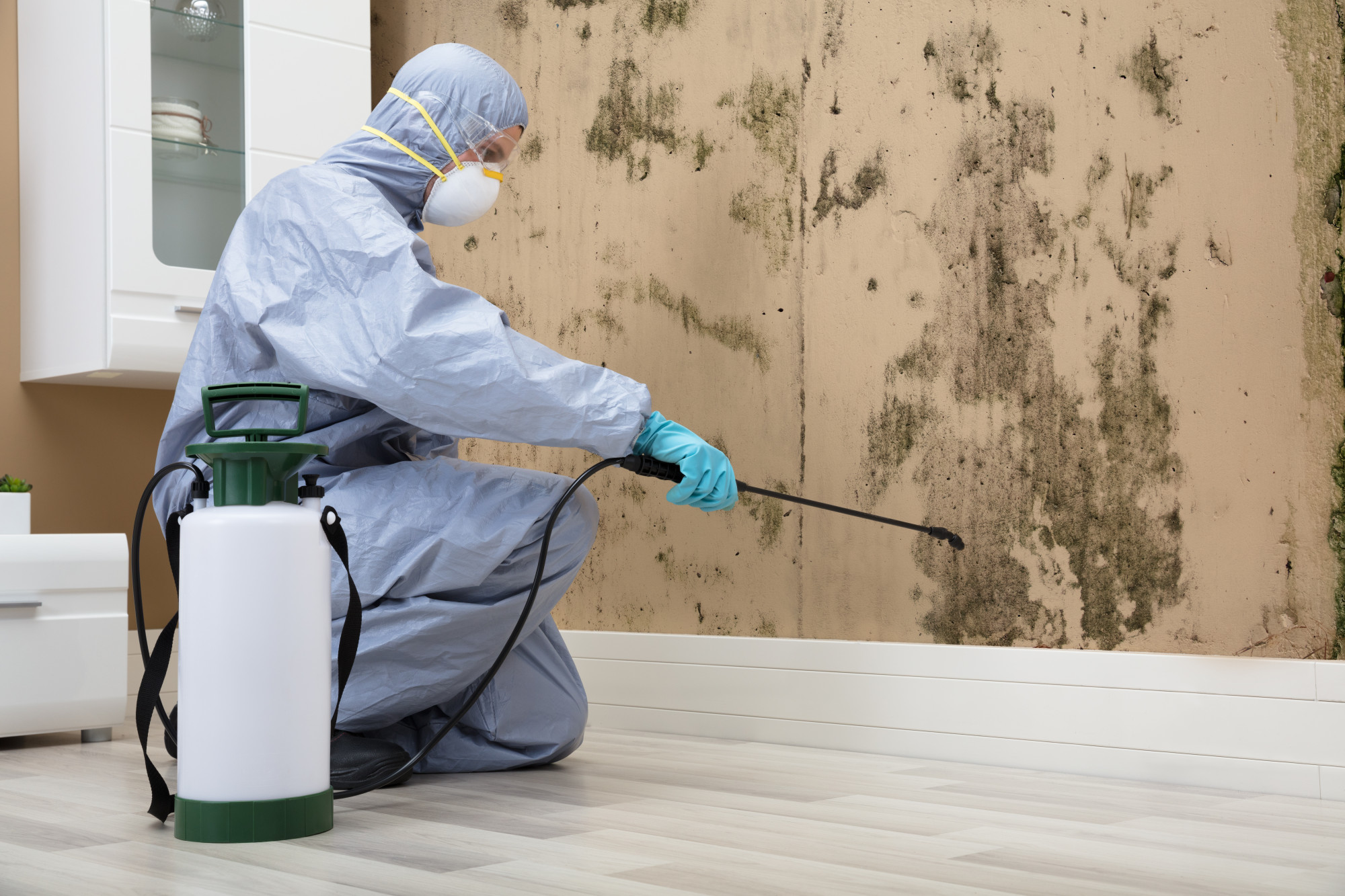
Consider evaluation if:
- There has been recent roof or plumbing repair
- A musty odor keeps returning
- Paint begins bubbling in small patches
- You feel irritation that improves outdoors
It is not about panic. It is about clarity.
Waiting sometimes works out fine. Sometimes it does not.
That is the part no one can predict with certainty.
Maintaining A Stable Indoor Environment
After testing, prevention becomes the focus. That often means:
- Fixing leaks immediately
- Improving airflow in closed rooms
- Monitoring indoor humidity
Small adjustments add up over time.
For homeowners wanting real answers rather than assumptions, arranging Lazybrook/Timbergrove mold inspection offers a structured way to understand indoor air conditions before visible damage expands.
Homes should feel neutral and comfortable. When something shifts even slightly, it is worth paying attention. Not because every concern becomes serious. But because early awareness keeps small issues from quietly becoming larger ones.