
Why Coral Bleaching Is a Warning Sign for the Planet
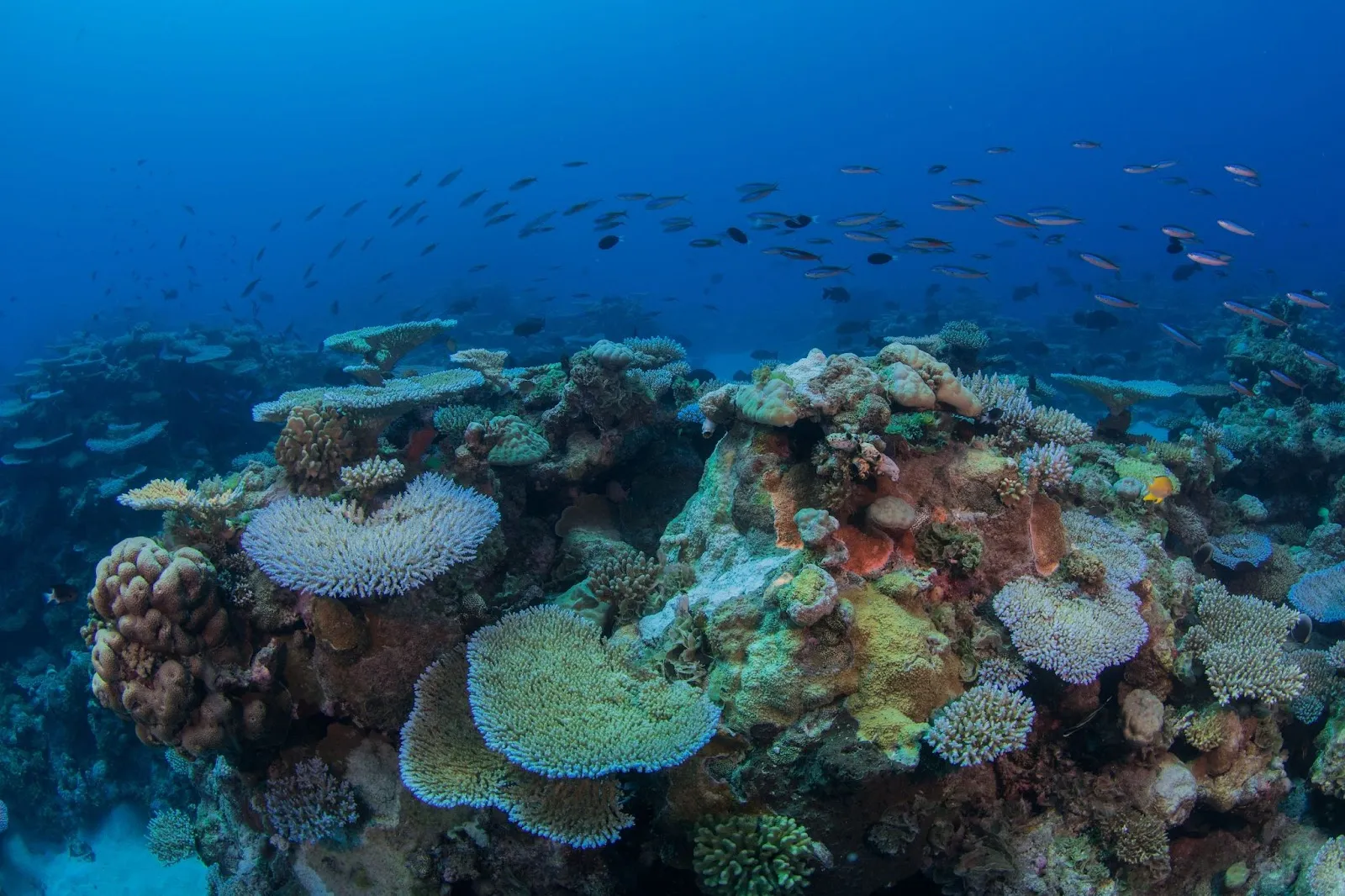
The steady loss of bright coral shades shows a shift in ocean conditions that touches life everywhere. Changes in water temperature and clarity influence fragile coral forms that support wide sea groups. These changes limit shelter for sea life and weaken the natural balance. Clear signs, such as reef bleaching in the great barrier reef, show how rising stress in oceans affects broader systems. When corals lose strength, coastal zones face stronger waves and reduced natural support. This growing strain signals greater pressure on water quality and sea-level balance across the planet.
What causes the fading of coral structures?
Warm water pushes corals past their safe range and removes tiny living partners that help them grow. This weakens their form and reduces support for sea creatures. Once this loss starts, recovery becomes slow and uncertain.
How can restoration efforts grow stronger?
Restoration work begins with careful placement of young corals in safe zones.
- Limiting harmful waste improves water purity and supports coral recovery in stressed regions.
- Regular checks help keep new coral forms free from harmful elements that slow their growth.
- Growth support plans raise coral strength and help soils around these areas stay firm.
Why does water quality influence coral strength?
Cloudy or polluted water blocks the sunlight that corals need. This reduces their food process and weakens their form. Clean and clear water is important for keeping coral structures stable and strong.
How does coral loss affect sea creatures?
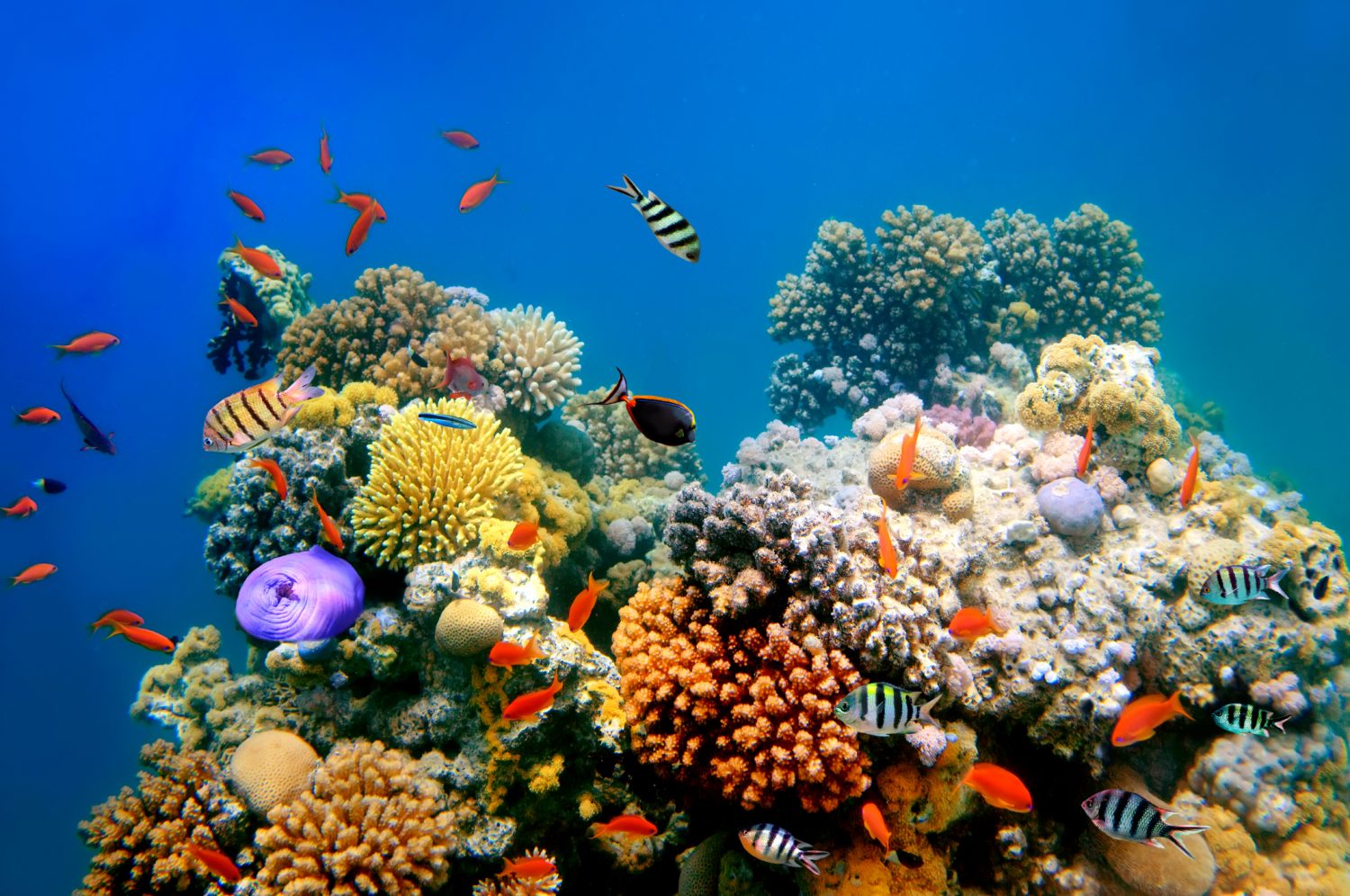
Fish and other small creatures depend on coral for cover and safe spaces. When coral breaks down, these creatures lose shelter, which changes movement patterns and population balance across the sea.
Why does coral change matter for global balance?
Coral forms support the sea chains of life and connect to broader water pressure cycles. Their loss weakens coastal support and shifts natural systems that keep oceans steady. Their state shows wider environmental change.
How do long warm periods shape the coral’s future?
Ongoing temperature rise stops proper recovery cycles and pushes corals toward long-term weakness. This leads to slow breakage and lower life activity in surrounding sea zones that rely on coral shape for balance.
What role does oxygen stress play?
Low oxygen levels create a strong strain on coral tissues and the surrounding small creatures. This combined pressure leads to faster loss of coral health and impacts natural sea quality over time.
What steps can protect coral’s future?
Protection plans focus on easing water pressure and keeping sea zones steady.
- Reducing strong water shifts gives coral tissues time to rebuild naturally and remain firm.
- Caring for nearby plant zones lowers sediment flow that blocks needed sunlight for coral.
- Careful watch of sea patterns helps track stress levels and guide timely action work.
Growing stress on coral systems signals deeper disruption in sea conditions that shape global balance. To slow this decline, steady care for water clarity and stable warmth is needed everywhere. Strong action can ease pressure on fragile coral forms and help them rebuild. This approach supports sea groups and shields coastal zones that depend on coral strength. Early steps, guided by natural signals like reef bleaching in the great barrier reef, can protect wider life systems and keep oceans stable for future generations.
